Settings
Valorant Settings Guide: See More, Panic Less
Copying a champion’s entire config will not make you one. But a few Valorant settings reliably improve visibility, audio reads, and aim consistency. Here is what is worth stealing.
Visibility and performance before fancy numbers
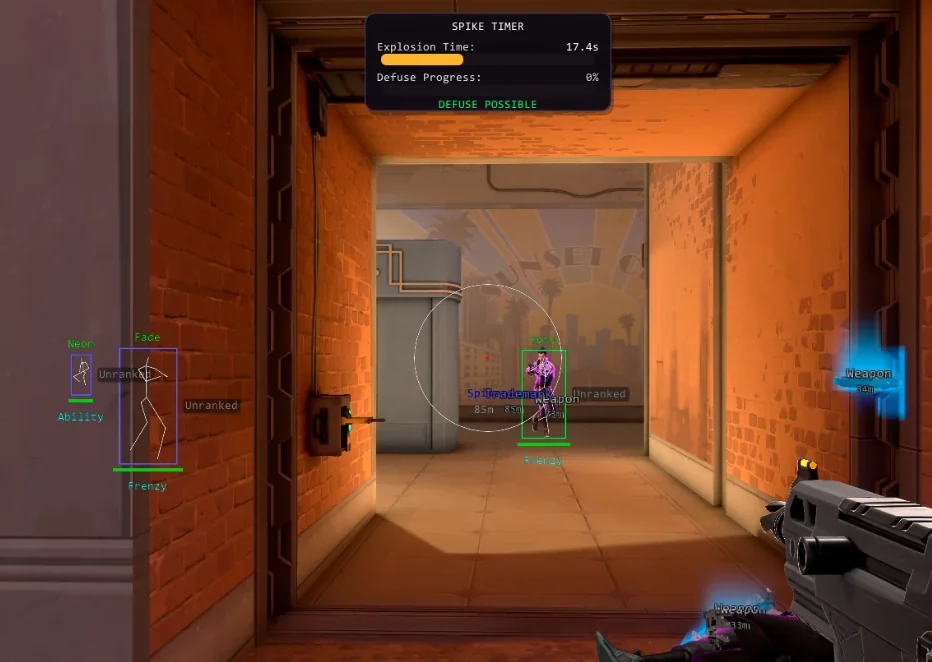
If your frame rate collapses in Sunset or Icebox interiors, no sensitivity tip will save you. Prioritize a stable FPS and readable shadows over maximum eye candy. Many strong players lower clutter so agent silhouettes pop sooner in Ascent mid and Haven hallways.
Test changes in the Range or a quiet Deathmatch before locking them for serious Competitive matches. Your eyes adapt in a few sessions — give settings that long before declaring them useless.
Sensitivity, ADS, and muscle memory
Pick one hip-fire and ADS relationship and stick with it for at least a week. Constantly rewriting sens after every death trains nothing. Warm up with the routine in our warmup guide so your hands match the new numbers.
If you later add soft aim tooling, match the in-game sens first, then tune FOV in the aimbot guide. Tools on top of a chaotic sens feel robotic and obvious.
Audio cues that win rounds
Footsteps, magazine reloads, and spike beeps often matter more than a tiny graphics slider. Use headphones, keep voice chat from drowning game audio, and learn the sound difference between an ability cast and a player push.
Settings are leverage, not a cheat code. Pair them with map knowledge from our buy-round habits article so you know where those sounds are coming from.